

Durakerb demonstrates lasting performance at McDonald’s Chorley restaurant
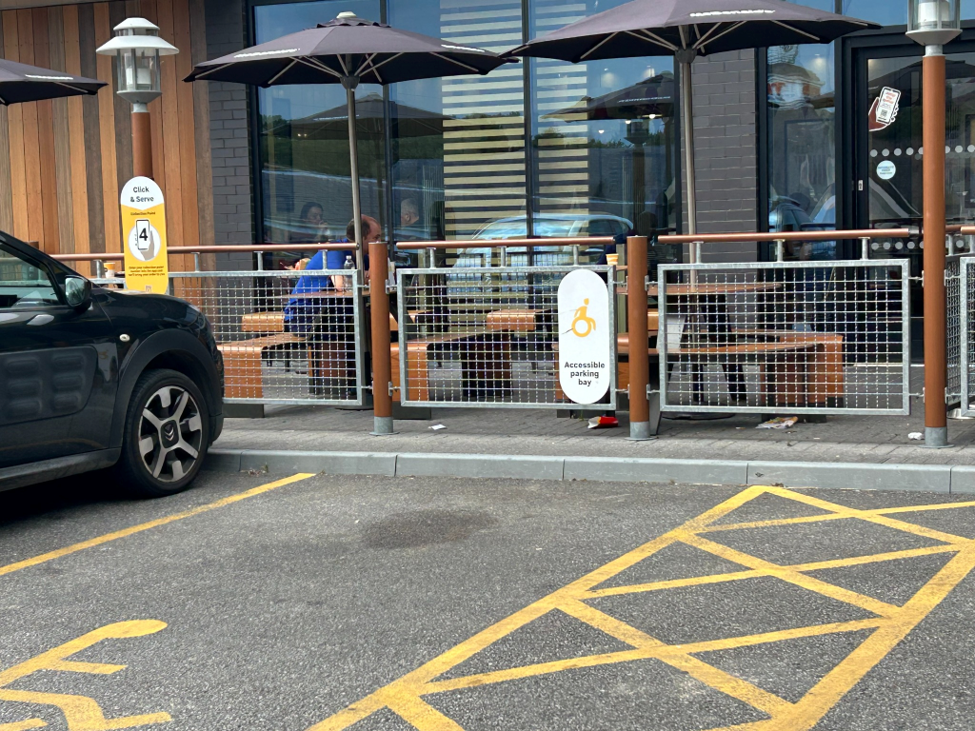
Following the successful installation of Durakerb at McDonald’s Market Drayton restaurant, the Chorley site became one of the next developments to adopt the recycled polymer kerb system.
Installed in October 2021, the project formed part of McDonald’s wider commitment to improving sustainability across its restaurant developments, incorporating alternative construction materials that could help reduce the environmental impact of new sites.
Durakerb provided a recycled polymer alternative to traditional concrete kerbing, combining the practical requirements of a busy drive-thru environment with the benefits of using recycled materials.
Download PDF Version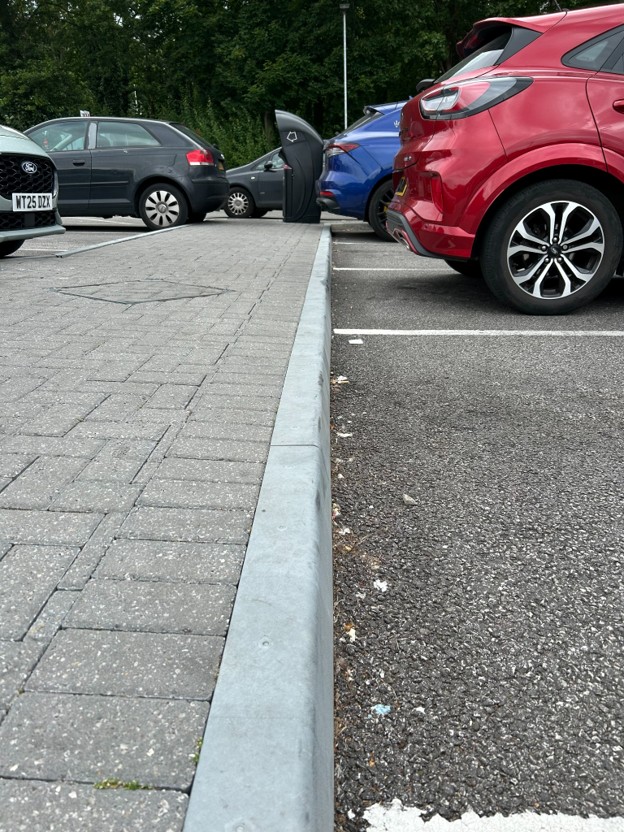
Five years of everyday demands
Drive-thru restaurants place considerable demands on kerbing, with frequent vehicle movements, tight turning areas and occasional contact from tyres.
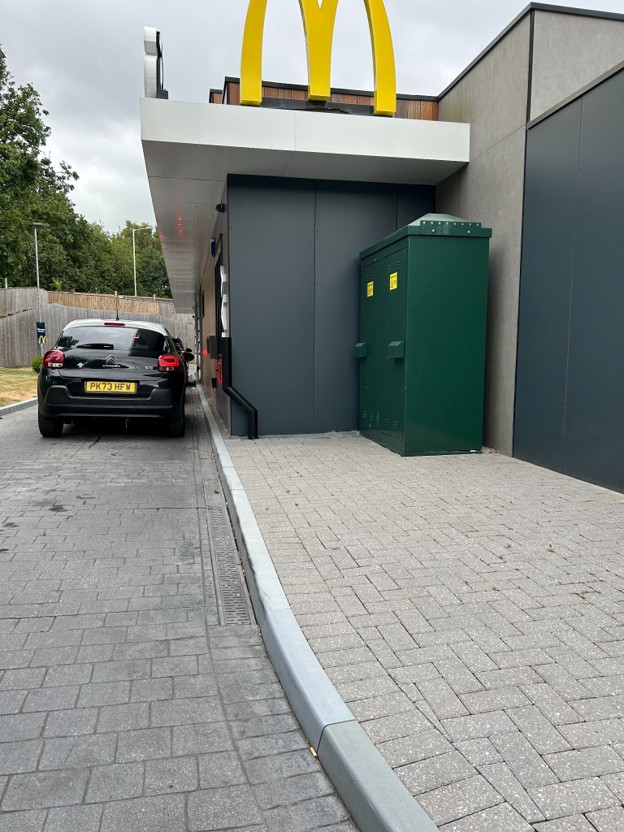
Nearly five years after installation, Durakerb continues to withstand these everyday pressures at Chorley. Recent photographs show evidence of vehicle oversteer, particularly around the drive-thru and parking areas, demonstrating the regular impacts experienced by kerbing in a busy commercial environment.
Despite these impacts, the kerbs remain structurally sound, with no significant deterioration evident. The installation continues to provide effective edge restraint, demonstrating Durakerb’s ability to deliver long-term performance in an environment exposed to regular vehicle movements.
The results provide further evidence of the suitability of recycled polymer kerbing for commercial developments where durability, reliability and sustainability are important considerations.
Supporting lower-carbon construction
The Chorley installation also reflects McDonald’s wider sustainability ambitions. In 2021, the company announced its Plan for Change programme, setting out its commitment to achieving net zero emissions across its UK and Ireland business by 2040, alongside greater use of lower-carbon construction materials.
The earlier Market Drayton development demonstrated how recycled polymer kerbing could contribute to these ambitions, helping establish a blueprint for subsequent restaurant projects.
At the time, McDonald’s highlighted the environmental benefits of the kerbs used within its sustainable restaurant programme, stating:
“Kerb stones each made from 182 recycled plastic bottles or polymer equivalents – reducing carbon emissions by 25kg per kerb compared to concrete kerbs.”
— McDonald’s UK, announcing its sustainable restaurant programme (2021).
The continued performance of Durakerb at Chorley demonstrates how recycled polymer kerbing can support more sustainable construction without compromising on the practical requirements of a busy commercial site.
Almost five years on, the project provides a valuable example of how alternative construction materials can deliver lasting performance while supporting the transition towards lower-carbon infrastructure.