Durakerb cuts installation time on A127 Rayleigh scheme
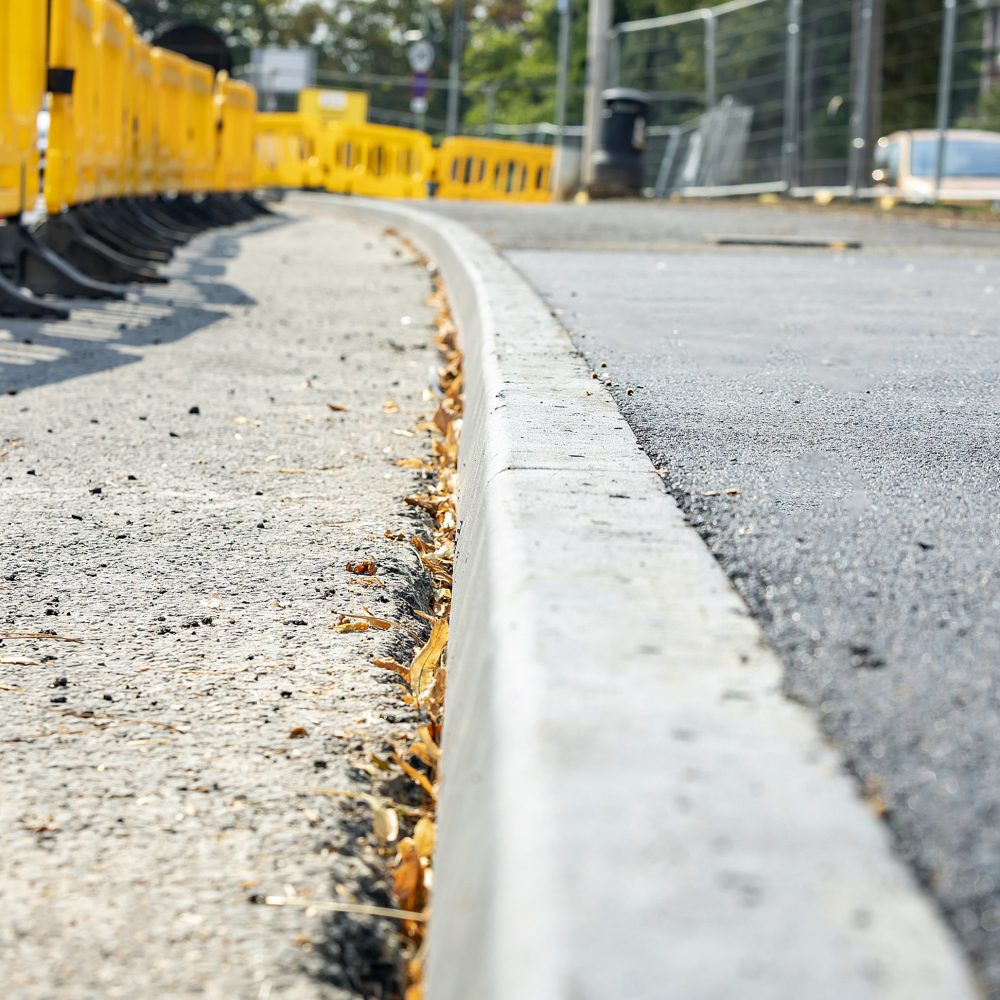
Two operatives installed 70 metres of Durakerb in just 2 hours and 15 minutes during a scheme on the A127 at Rayleigh for Essex County Council – despite it being their first time using the product.
The installation demonstrated the productivity benefits of Durakerb’s lightweight design, while reducing the need for specialist lifting equipment and simplifying site logistics.
Download PDF Version
Fast, efficient installation
The A127 scheme involved the installation of new carriageway gullies, with the drainage system located within the footway. Existing footway and precast concrete kerbs were excavated using traditional methods before the kerb trench was prepared to an average depth of 350mm.
The units were laid to line and level, with approximately 40mm of kerb mix rising inside the kerb. Two operatives then installed 70 metres in 2 hours and 15 minutes, approximately three to four times faster than standard precast concrete kerbs.
Reducing the overall cost of installation
While Durakerb carried a higher unit cost than standard precast concrete kerbs, the Rayleigh scheme showed why material price is only part of the overall cost of installation. With two operatives able to install 70 metres in just over two hours, fewer resources were required to complete the work. The lightweight units could also be transported and installed without specialist lifting equipment, reducing plant requirements and simplifying site logistics.
Fester installation can also help shorten the time needed on site, with potential savings in labour and traffic management. Together, these factors demonstrate the importance of considering installation costs and productivity along the upfront price of the kerb itself.
A practical solution for highway works
The A127 Rayleigh scheme demonstrated that Durakerb could deliver significant productivity benefits even when being used by an installation team for the first time. Two operatives installed 70 metres in just 2 hours and 15 minutes, without the specialist lifting equipment required for concrete kerbs.
Manufactured from recycled polymer, Durakerb also provides local authorities with an alternative to traditional concrete kerbing that combines lower weight with the use of recycled materials. Its BBA HAPAS approval provides further assurance of its suitability for highway applications.
For local authority schemes, where installation time, manual handling, plant requirements and disruption all need to be considered alongside material costs, the Rayleigh project provides a clear example of the practical benefits Durakerb can offer.
Lightweight and simple to handle
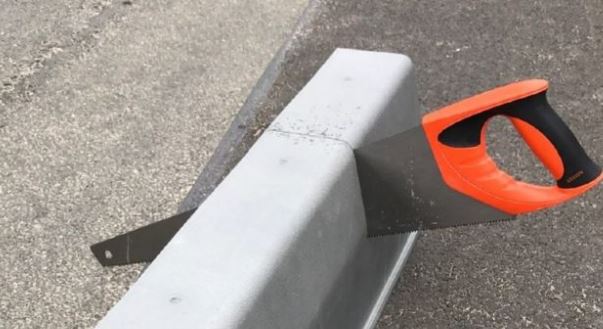
At under 6kg per unit, Durakerb’s lightweight design made the kerbs easy to handle manually. Two pallets were transported to site on a Transit flatbed, with no specialist lifting equipment required. The lightweight units could be handled manually, reducing the amount of plant needed on site and making it easier to move and position the kerbing where it was required.
Once the units had been laid, a dampened kerb mix was used to back up the Durakerb and complete the installation.